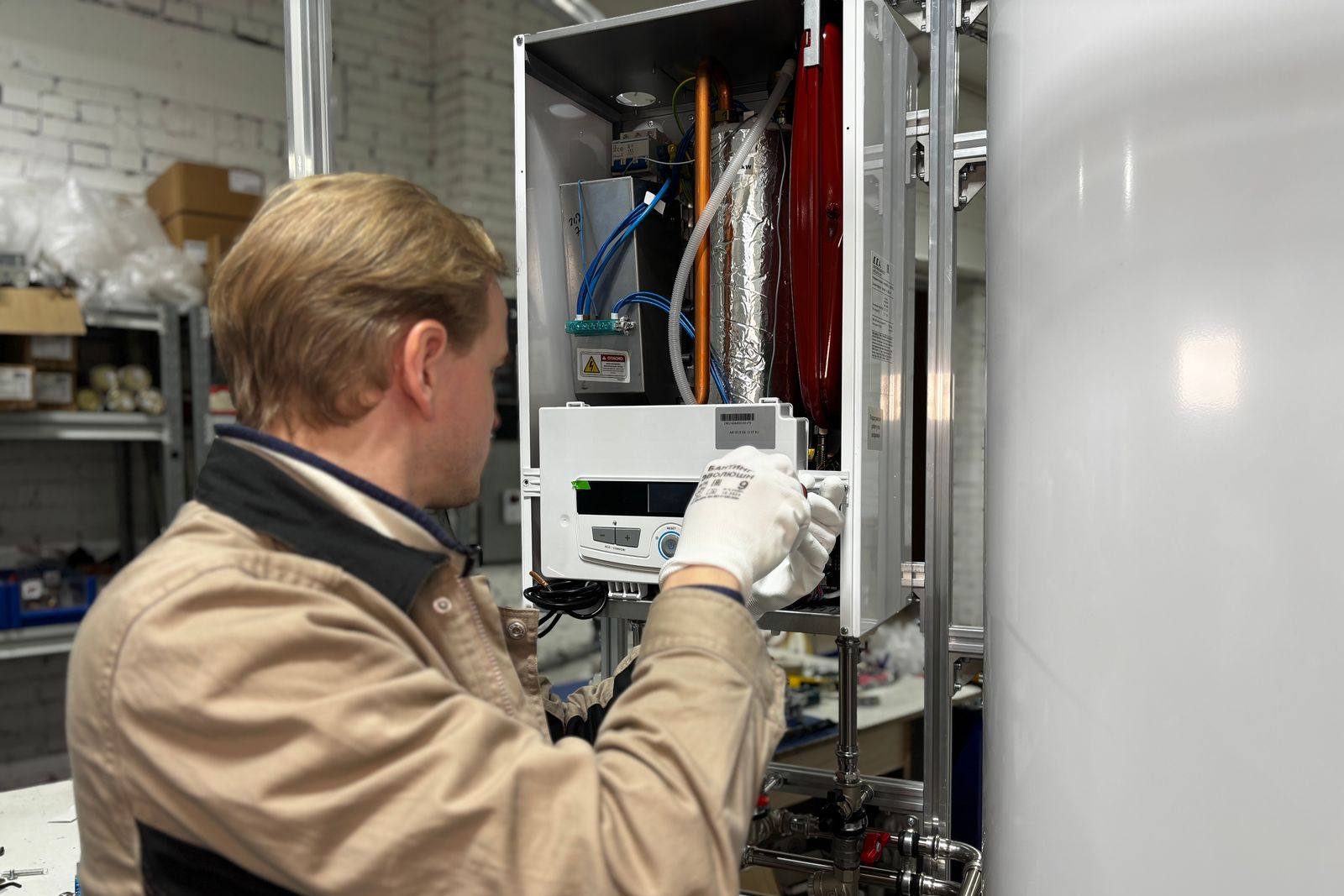
Water heater repair in Escondido
Escondido is the inland North County city at the northern end of the county, up the valley from the coast — hotter in summer, cooler on winter nights, and a long way from the marine layer that softens the coast. Its housing runs from older homes near the historic downtown and Grand Avenue to newer tracts on the northern and eastern edges, and outlying properties in the San Pasqual Valley. The heaters in those homes fail in different ways: older homes often have original supply lines and heaters in garages, while newer tracts have PEX plumbing and heaters installed to current code, including seismic strapping.
Repair, replacement, and maintenance in Escondido — accepted in all 7 ZIP codes where coverage is verified: 92025, 92026, 92027, 92029, 92030, 92033, and 92046. Requests from these ZIP codes are shared with independent local water heater providers.
Escondido's water heater problems
Escondido shares the county's hard water — local firms report hardness around 16 grains per gallon — and hard water drives most water heater trouble here: sediment build-up at the bottom of tank heaters, anode rods wearing out faster than in soft-water regions, and scale on tankless heat exchangers. The symptoms are familiar across the county — popping noises, hot water running out too soon, rusty water, and eventually leaks — but they arrive sooner in homes that have never had a flush or an anode-rod check.
Two Escondido-specific factors are worth noting. First, the inland heat: summer temperatures run well above the coast, and heaters installed in garages work in high ambient temperatures, which stresses components and makes ventilation and combustion air more important. Attic installations face the same heat. Second, the age split: in older homes near downtown, supply lines and vents may predate current code, so a replacement sometimes involves more than swapping the unit — the venting, gas line, or water connections may need updating at the same time.
Repair, replacement, or maintenance?
- - Repair is usually right for a newer heater with a single failed part — a thermostat, heating element, thermocouple, gas valve, or relief valve.
- - Replacement is usually right when the tank leaks, when the heater is 10–12 years old and needs a major part, or when repairs keep repeating. Local firms advertise tank installs in roughly the $1,500–$3,000 range; that is an advertised range, not a quote.
- - Maintenance — annual flushing and anode-rod checks — is what keeps an Escondido heater from becoming an emergency. See the maintenance page for what a tune-up includes.
California requires water heaters to be secured with seismic strapping, and replacement work in Escondido normally includes a permit and inspection. A replacement quote should include the permit, strapping, and disposal of the old unit.
What to include in a request
The more specific the request, the better the provider can prepare: gas or electric, tank or tankless, approximate age of the heater, and the symptoms (no hot water, not enough hot water, leak, noise, smell, error code). The contact page has a form for exactly this — it is currently not yet monitored while lead routing is being set up, and the notice on the form says so.
Frequently Asked Questions
Which Escondido ZIP codes do you cover?
92025, 92026, 92027, 92029, 92030, 92033, and 92046 — 7 ZIP codes in total.
My water heater is in a hot garage and makes a popping noise. What is that?
Almost always sediment: hard-water minerals that have settled and hardened at the bottom of the tank. When the burner fires, steam forces its way through the sediment and makes the popping sound. Flushing helps if the sediment has not hardened; heavy build-up sometimes cannot be fully removed.
How long does a water heater last in Escondido?
Tank heaters commonly last 8–12 years in San Diego County, and hard water can shorten that without maintenance. Tankless units often last longer, but only with regular descaling.
Do you also cover nearby cities?
Yes — San Diego, Chula Vista, and Oceanside each have their own page, and the service area page lists every covered ZIP code.